

Conveyor Belt Material Selection for Food Safety
When it comes to designing net conveyors for optimal performance in food processing, one of the most critical factors to consider is the selection of conveyor belt material. The material used for the conveyor belt plays a crucial role in ensuring food safety, as well as the overall efficiency and longevity of the conveyor system.
One of the primary considerations when selecting conveyor belt material for food processing applications is the need for materials that are safe for direct contact with food. This means that the material must be non-toxic, non-reactive, and resistant to contamination. In addition, the material should be easy to clean and sanitize to prevent the growth of bacteria and other harmful pathogens.
Stainless steel is a popular choice for conveyor belt material in food processing applications due to its durability, corrosion resistance, and ease of cleaning. Stainless steel is also non-toxic and non-reactive, making it safe for direct contact with food. Additionally, stainless steel is highly resistant to high temperatures, making it suitable for use in heat-intensive food processing operations.
Another common material used for conveyor belts in food processing is plastic. Plastic conveyor belts are lightweight, flexible, and easy to clean, making them ideal for applications where frequent cleaning is required. However, it is essential to choose food-grade plastic materials that are free from harmful chemicals and additives.
In addition to material safety, it is also essential to consider the specific requirements of the food processing operation when selecting conveyor belt material. For example, if the conveyor system will be used in a high-temperature environment, it is crucial to choose a material that can withstand heat without degrading or melting. Similarly, if the conveyor system will be used to transport sharp or abrasive materials, a durable and wear-resistant material such as rubber or polyurethane may be required.
In some cases, a combination of materials may be used to optimize performance and efficiency. For example, a conveyor belt may be constructed with a stainless steel frame and plastic or rubber belting to provide the best of both worlds in terms of durability, cleanliness, and flexibility.
Ultimately, the selection of conveyor belt material for food processing applications should be based on a thorough understanding of the specific requirements of the operation, as well as a commitment to food safety and quality. By choosing the right material for the job, food processors can ensure that their conveyor systems perform optimally, meet regulatory requirements, and protect the integrity of their products.
In conclusion, designing net conveyors for optimal performance in food processing requires careful consideration of conveyor belt material selection. By choosing materials that are safe for direct contact with food, easy to clean and sanitize, and suitable for the specific requirements of the operation, food processors can ensure the efficiency, safety, and longevity of their conveyor systems. Stainless steel, plastic, and other food-grade materials offer a range of options to meet the diverse needs of food processing applications. By prioritizing material safety and performance, food processors can design conveyor systems that deliver reliable and consistent results in the demanding environment of food processing.
Optimizing Conveyor Speed and Incline for Efficiency
In the food processing industry, conveyors play a crucial role in the transportation of goods from one point to another. When it comes to designing net conveyors for optimal performance, one of the key factors to consider is the speed and incline of the conveyor. These two factors can greatly impact the efficiency and productivity of the entire processing line.
When determining the optimal speed of a conveyor, it is important to consider the type of product being transported. Different products have different handling requirements, and the speed of the conveyor should be adjusted accordingly. For example, delicate or fragile products may require a slower speed to prevent damage, while more robust products can withstand higher speeds. It is also important to consider the overall throughput of the processing line and ensure that the conveyor speed is in sync with the rest of the equipment.
In addition to speed, the incline of the conveyor also plays a crucial role in optimizing performance. The incline of the conveyor can impact the flow of products and the overall efficiency of the processing line. A steep incline may cause products to slide or tumble, leading to damage or inefficiencies. On the other hand, a gentle incline can help maintain the integrity of the products and ensure smooth transportation.
To determine the optimal incline for a conveyor, it is important to consider the weight and size of the products being transported. Heavier products may require a steeper incline to prevent slippage, while lighter products may be better suited for a gentler incline. It is also important to consider the overall layout of the processing line and ensure that the incline of the conveyor is compatible with the rest of the equipment.
When designing net conveyors for optimal performance, it is essential to strike a balance between speed and incline. The goal is to maximize efficiency and productivity while ensuring the safety and integrity of the products being transported. This requires careful planning and consideration of various factors, including product type, throughput, and overall layout.
Transitional phrases such as “in addition to,” “on the other hand,” and “to determine” can help guide the reader through the article and connect ideas seamlessly. By carefully considering the speed and incline of net conveyors in food processing, manufacturers can optimize performance and enhance the overall efficiency of their operations.
Preventing Contamination with Proper Conveyor Design
In the food processing industry, preventing contamination is of utmost importance to ensure the safety and quality of the products being produced. One key aspect of preventing contamination is the design of net conveyors used in the processing line. Net conveyors play a crucial role in transporting food products from one point to another, and their design can greatly impact the overall efficiency and cleanliness of the processing line.
When designing net conveyors for optimal performance in food processing, there are several factors that need to be taken into consideration. One of the most important factors is the material used for the conveyor belt. It is essential to choose a material that is food-grade and resistant to corrosion, as well as easy to clean and sanitize. Stainless steel is often the material of choice for net conveyors in food processing, as it meets all these requirements and is durable enough to withstand the harsh conditions of a processing plant.
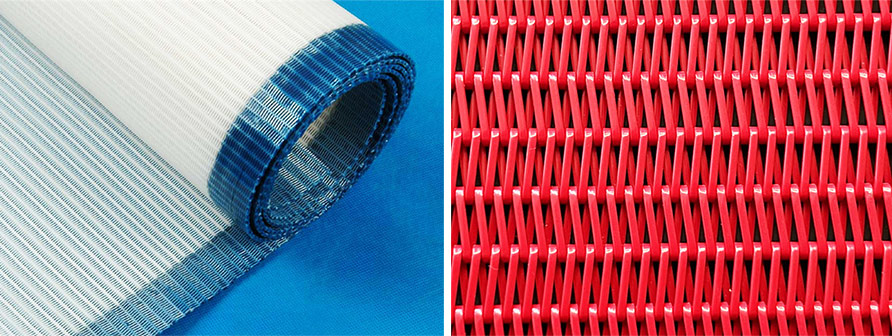
Another important factor to consider when designing net conveyors is the size and spacing of the openings in the conveyor belt. The size and spacing of the openings should be carefully chosen to allow for proper drainage and airflow, while also preventing small food particles from getting trapped and causing contamination. The design of the net conveyor should also take into account the type of food products being processed, as different products may require different spacing and opening sizes to prevent contamination.
In addition to the material and design of the conveyor belt, the overall layout and configuration of the net conveyor system also play a crucial role in preventing contamination. The conveyor system should be designed in a way that minimizes the risk of cross-contamination between different food products, and allows for easy access for cleaning and maintenance. Proper spacing between conveyors, as well as the use of guards and barriers, can help prevent contamination and ensure the safety of the food products being processed.
Furthermore, the speed and direction of the net conveyors should be carefully controlled to ensure optimal performance and prevent contamination. The speed of the conveyors should be adjusted based on the type of food products being processed, as well as the production requirements of the processing line. Additionally, the direction of the conveyors should be carefully planned to minimize the risk of spills and contamination, and to ensure smooth and efficient transportation of the food products.
Overall, designing net conveyors for optimal performance in food processing requires careful consideration of a variety of factors, including the material and design of the conveyor belt, the layout and configuration of the conveyor system, and the speed and direction of the conveyors. By taking these factors into account and designing net conveyors that are specifically tailored to the needs of the food processing industry, contamination can be prevented and the safety and quality of the products can be ensured. Proper conveyor design is essential in maintaining a clean and efficient processing line, and ultimately, in producing safe and high-quality food products.
Maintenance Tips for Prolonging Conveyor Lifespan
Net conveyors are an essential component in the food processing industry, allowing for the efficient movement of products throughout the production line. To ensure optimal performance and longevity of these conveyors, proper maintenance is crucial. By following a few key tips, you can prolong the lifespan of your net conveyors and keep your production line running smoothly.
One of the most important maintenance tasks for net conveyors is regular cleaning. Over time, food particles, grease, and other debris can build up on the conveyor, leading to decreased efficiency and potential contamination issues. To prevent this buildup, it is recommended to clean the conveyor regularly using a mild detergent and water. Be sure to remove any excess debris and thoroughly dry the conveyor before putting it back into operation.
In addition to regular cleaning, it is important to inspect the conveyor for any signs of wear or damage. Check for loose or missing parts, worn belts, and any other issues that could affect the performance of the conveyor. By catching these issues early, you can prevent more serious problems from developing and extend the lifespan of your conveyor.
Another important maintenance tip for net conveyors is to lubricate moving parts regularly. Proper lubrication can help reduce friction and wear on the conveyor, extending its lifespan and improving performance. Be sure to use the appropriate lubricant for your specific conveyor model and follow the manufacturer’s recommendations for frequency of lubrication.
In addition to regular cleaning and lubrication, it is important to regularly inspect and adjust the tension of the conveyor belts. Over time, belts can stretch and become loose, leading to decreased performance and potential damage to the conveyor. By regularly checking and adjusting the tension of the belts, you can ensure that your conveyor is operating at optimal efficiency.
It is also important to regularly check the alignment of the conveyor belts. Misaligned belts can cause uneven wear and damage to the conveyor, leading to decreased performance and potential breakdowns. By regularly checking and adjusting the alignment of the belts, you can prevent these issues and prolong the lifespan of your conveyor.
Finally, it is important to keep detailed records of maintenance tasks and inspections for your net conveyors. By keeping track of when maintenance was performed and any issues that were found, you can identify patterns and trends that may indicate potential problems. This information can help you make informed decisions about when to perform maintenance tasks and when to replace parts, ultimately prolonging the lifespan of your conveyors.
In conclusion, proper maintenance is essential for prolonging the lifespan of net conveyors in food processing. By following these key tips, including regular cleaning, inspection, lubrication, belt tension adjustment, alignment checks, and record-keeping, you can ensure that your conveyors operate at optimal performance and efficiency. By investing time and effort into maintenance, you can extend the lifespan of your conveyors and keep your production line running smoothly for years to come.